

Pre-1985
OriginsWoher Fingerboards kommen: Die Ursprünge vor 1985
Improvised & homemade
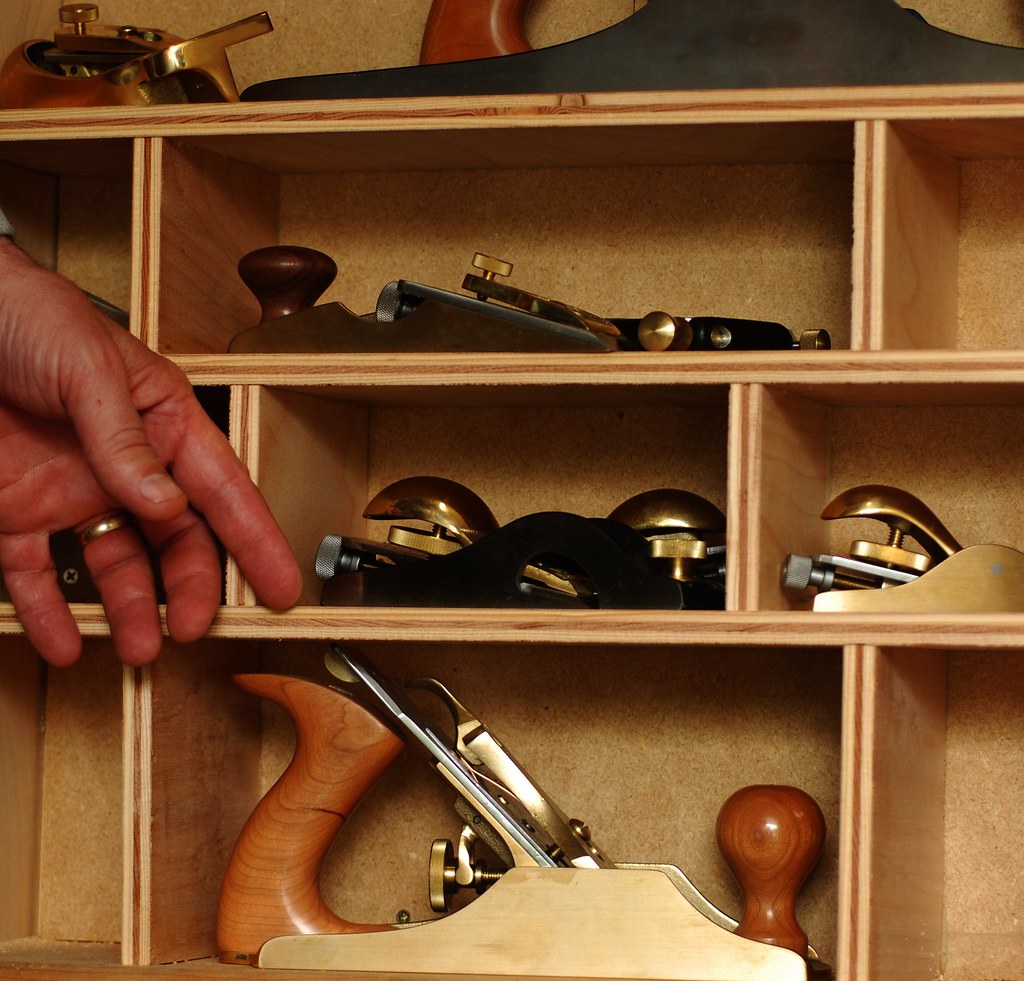
Garage workbenches, school desks, handmade zines, and keychain skate toys.
Photo: Let Ideas Compete · CC BY-NC-ND 2.0
Bevor Fingerboarding einen Namen hatte, gab es es als Schlüsselanhänger-Gag und selbstgebautes Fingerspielzeug, das unter Skate-Freunden getauscht wurde – keine Industrie, keine Standards, kein Marktplatz.
Kapitel 01 · Der Funke
Warum es sich verbreitete
Lange vor Präzisions-Trucks und handgepresstem Ahorn war das Fingerboard ein Fundstück: ein Schlüsselanhänger-Spielzeug, ein gebogenes Eisstielholz, ein auf Karton geklebter Radiergummi. Es gehörte niemandem und allen – eine Möglichkeit für Skateboarder, sich drinnen Lines auszumalen, wenn die Straße tabu war. Das ist die Ära, bevor es die Kategorie überhaupt gab.
Einen Trend im kommerziellen Sinn gab es nicht – und genau darum geht es. Das früheste Fingerspielzeug verbreitete sich so, wie sich Pausenhof-Moden verbreiten: billig, leicht nachzumachen und verbunden mit dem allgemeinen Skateboard-Boom der späten 1970er- und frühen 1980er-Jahre. Plastik-Skateboards als Schlüsselanhänger hängten sich als Gag an die Skatekultur in voller Größe, während improvisierte Boards von Hand zu Hand gingen, weil jeder mit Karton und Klebeband eines bauen konnte.
Kapitel 02 · Die Macher
Wer es bekannt machte
Keine einzelne Marke und kein einzelner Rider prägte diese Ära. Geschichten aus der Community schreiben die ersten DIY-Boards einzelnen Skateboardern zu und frühe Schlüsselanhänger-Skateboards sowie eine spätere Marke auf das Wort „fingerboard“ einem Hersteller von Scherzartikeln (in Community-Quellen als Somerville International geführt). Diese Zuschreibungen stammen aus Berichten der Community, nicht aus Primärarchiven – Namen und Daten sind also als vorläufig zu lesen.
Marken und Macher der Ära
- Somerville International (gegr. ungefähr vor 1987): früher Hersteller von Schlüsselanhänger-Skateboards als Scherzartikel
Kapitel 03 · Das Material
Das Material, das die Ära prägte
In dieser Ära gab es keine kommerziellen Fingerboard-Decks aus Holz. DIY-Boards wurden aus Karton, Eisstielhölzern, Knete und ähnlichen Haushaltsmaterialien improvisiert. Plastik-„Mini-Skateboards“ als Schlüsselanhänger gab es als Scherzartikel, sie waren aber nicht für Tricks gedacht.
Trucks & Wheels: Die Rollen waren improvisiert (Radiergummis, Knete) oder fest verbautes, nicht funktionierendes Plastik. Präzise Truck-Hardware gab es nicht.
Kapitel 04 · Die Szene
Momente der Community
Die „Community“ war ein Freundeskreis, keine Szene. Boards wurden am Küchentisch gebaut und in der Schule getauscht – ohne Einzelhandel, ohne Contest und ohne Sammlermarkt. Die Objekte existierten völlig außerhalb der Strukturen – Shops, Foren, Marktplätze –, die das Fingerboarding später prägen sollten.
Kein organisierter Marktplatz. Boards wurden von Hand gebaut und innerhalb von Skate-Freundeskreisen geteilt. Für diese Objekte gab es weder Einzelhandel noch eine Sammlerkultur.
Kapitel 05 · Heute
Die Setups dieser Ära heute lesen
Nichts aus dieser Ära lässt sich sauber auf ein heutiges Angebot übertragen: Es gab keine standardisierten Teile, keine Deck-Breiten zum Nachmessen und keine Marken zum Vergleichen. Für Käufer und Verkäufer ist die Lehre historischer Kontext statt Material-Tipps – eine Erinnerung daran, dass die Wurzeln des Hobbys improvisiert und undokumentiert sind, weshalb Behauptungen über „originale“ oder „erste“ Objekte aus der Zeit vor 1985 mit Vorsicht zu lesen sind.
Wird noch geprüft:
- Die Ursprünge vor 1985 sind vor allem in Community-Geschichten dokumentiert: Lance Mountains selbstgebauter Prototyp aus den späten 1970ern wird von Wikipedia erwähnt, während die berichteten DIY-Boards von Ernon Troya aus den Jahren 1978–1979 nur aus Community-Quellen stammen.
- Somerville International hielt eine Marke auf das Wort „fingerboard“ (von TransWorld dokumentiert), aber das Gründungsjahr der Firma und das oft genannte Eintragungsdatum 1987 stammen aus Community-Geschichten, nicht aus einer Primärquelle.
Zuletzt aktualisiert am 8. Oktober 2026
Newsletter
Mehr von Kingpin

Markengeschichten
Extra-wide fingerboarding has entered its hardware phase — and trucks are the tell
A 48 mm deck is a graphic. A 40 mm truck is a tooling decision. My bet: a second source for 40 mm-plus trucks appears within a year, or extra-wide stays a stunt.
,

Markengeschichten
Berlinwood puts its 2002 logo back on the bottom ply
A reissue of the brand's first mark, printed transparent so a randomly chosen colored bottom ply shows through. It is a small deck carrying a large part of the scene's origin story.
,

Markengeschichten
ASI Berlin: a team that turned into a shop, and stayed one
Founded in Berlin in 2003 as one of the first fingerboard teams, ASI Berlin opened a concept store with Blackriver-Ramps in 2010 and has run independently since 2017. A history from the brand's own pages, with the gaps named.
,