Eras, 2026: every story Kingpin Magazine published in that section, newest first.
9 stories
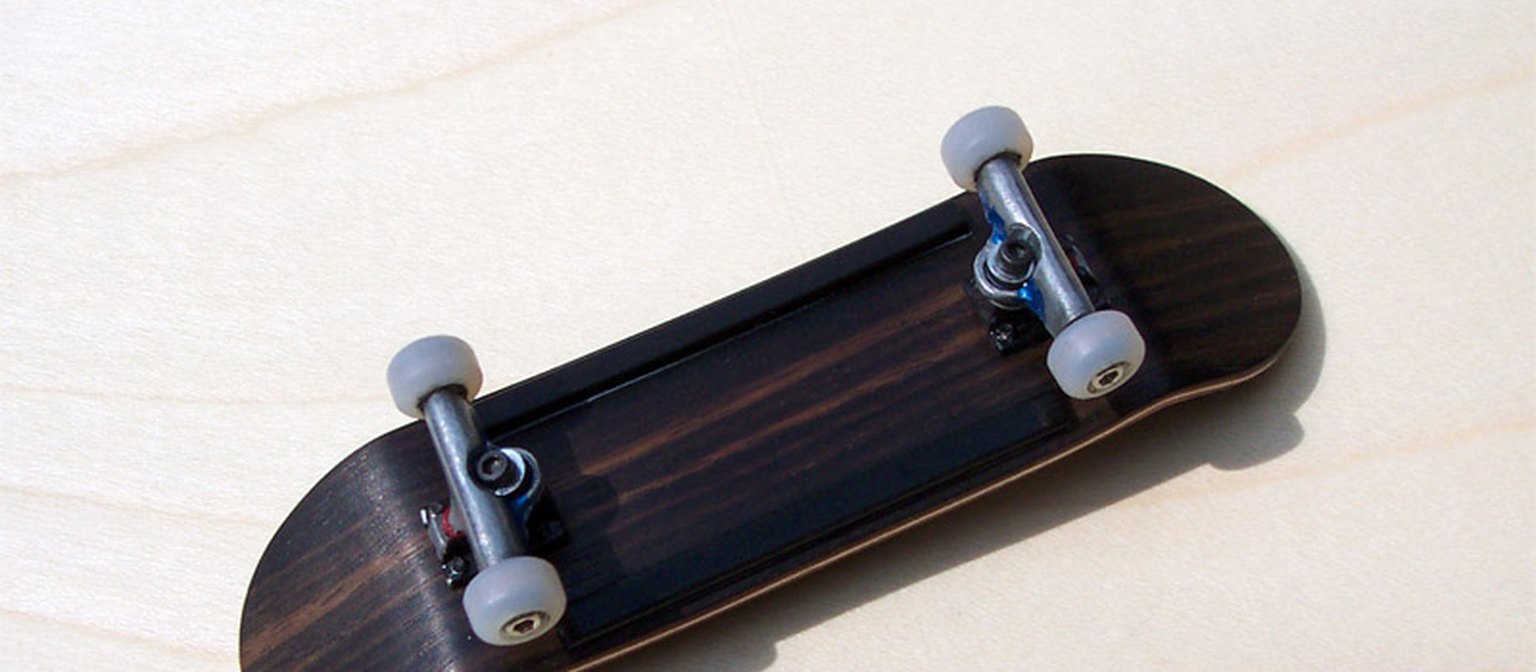
Before fingerboarding had a name, it lived as keychain novelties and homemade finger toys swapped between skate friends — no industry, no standards, no marketplace.
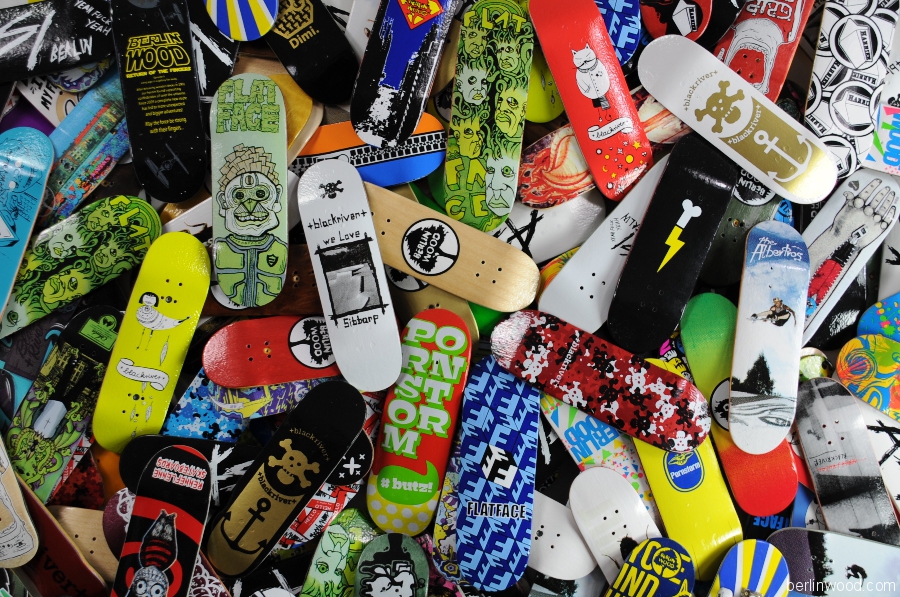
Fingerboarding matured into a premium, drop-driven boutique culture with some streetwear-like patterns — limited batches, web drops, and active secondary resale.
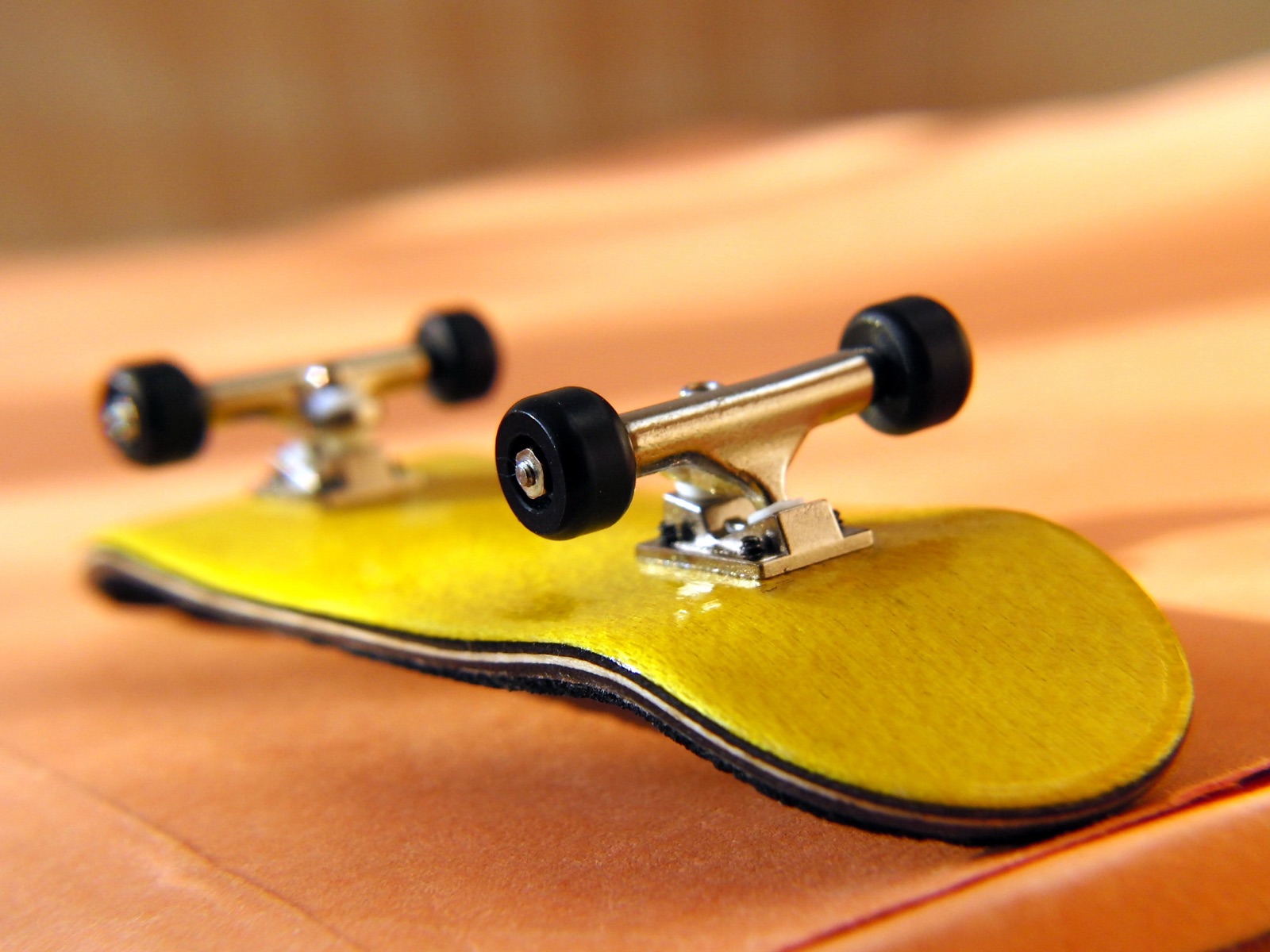
CNC machining brought consistent trucks and wheels, urethane replaced plastic for serious riders, and deck widths crept upward toward modern proportions.
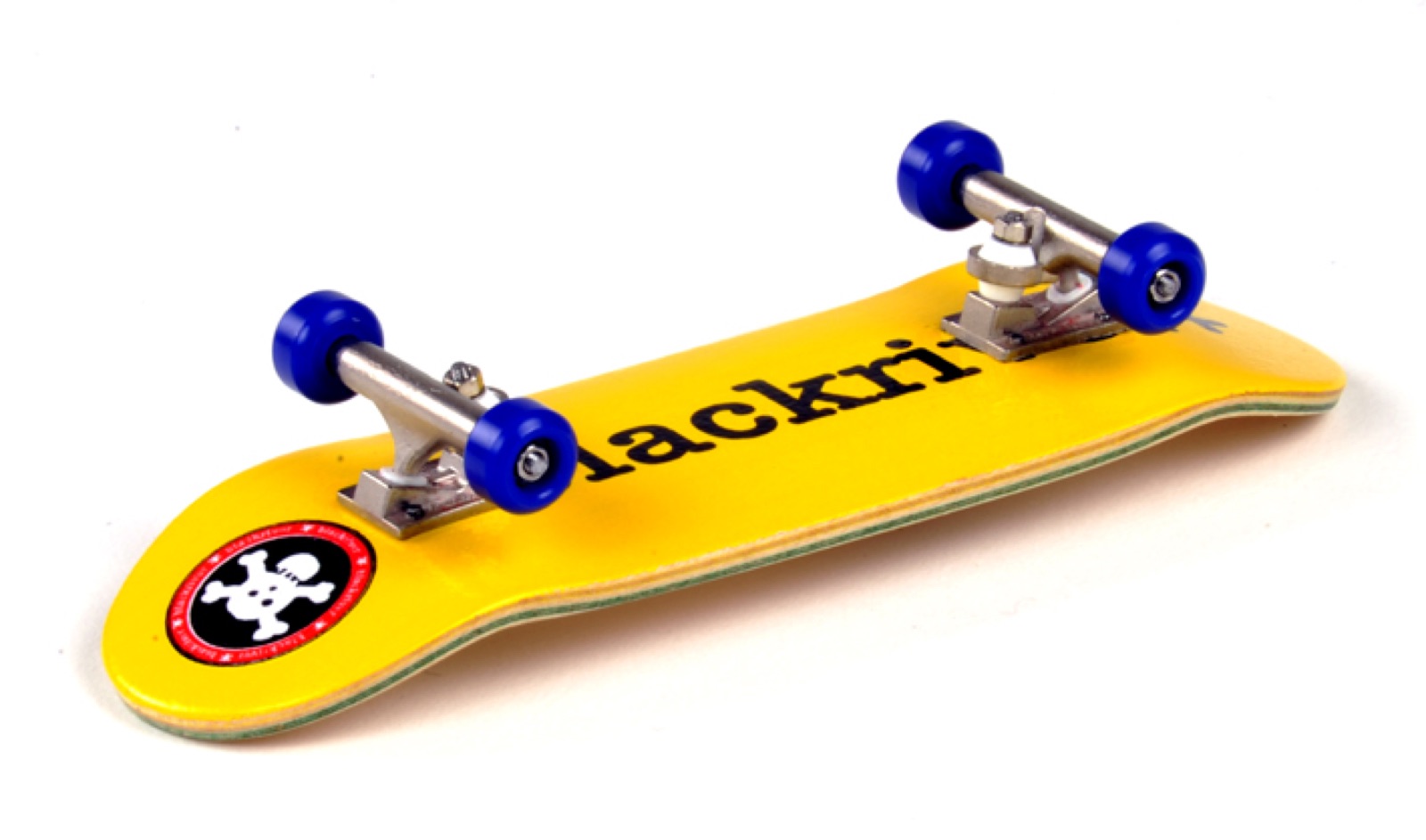
While plastic toys filled toy aisles, a parallel scene in Europe built hand-pressed wooden decks, real ramps, and the first organized fingerboard contests.
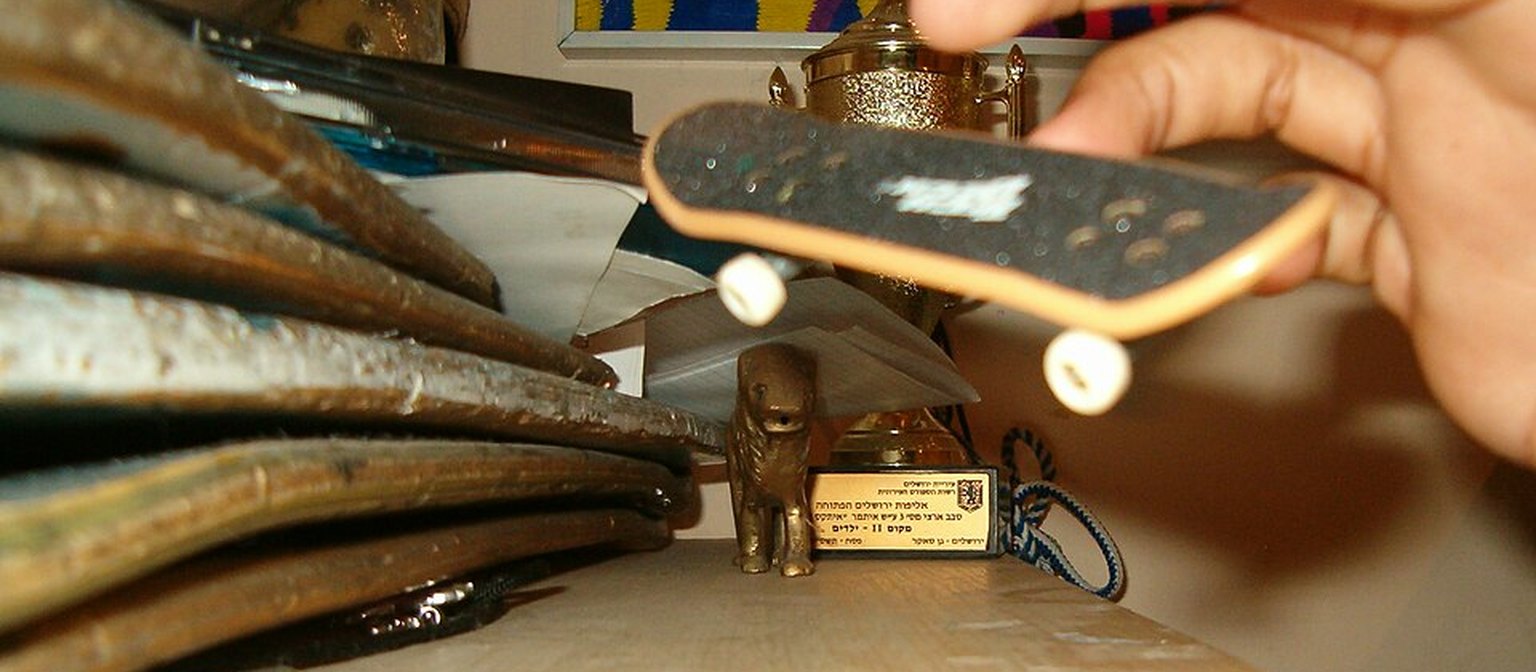
A homemade fingerboard in a 1985 skate film is widely cited as an early public showcase — and a generation started building their own from popsicle sticks and cardboard.
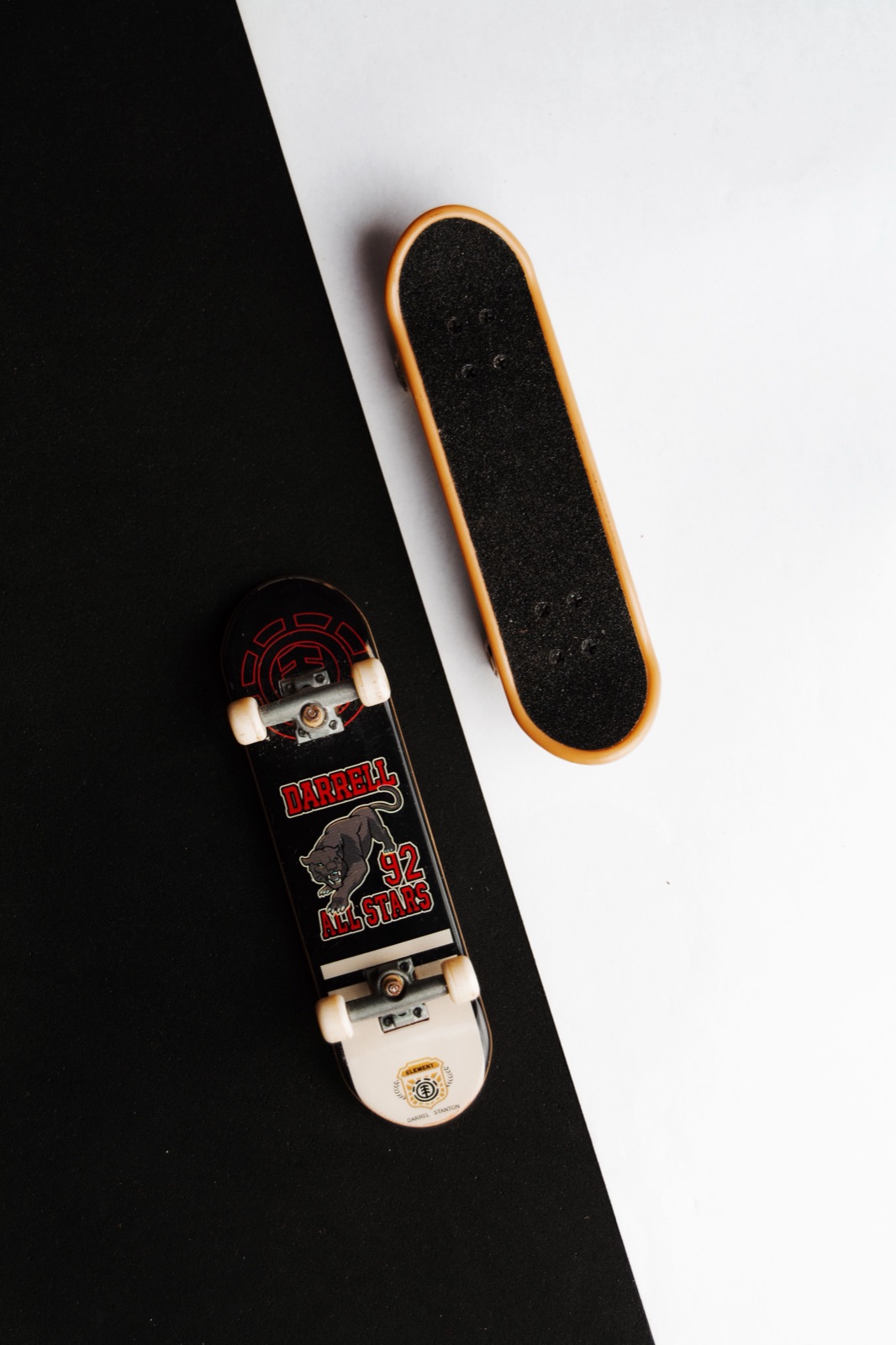
Licensed miniature decks brought fingerboarding into mainstream toy retail and made it a collector fad — while linking it, in the public mind, to plastic construction.
Video sharing took fingerboarding global, bearing wheels and dedicated trucks raised the hardware bar, and wooden decks became the standard for serious riders.