


2018–present
Modern Boutique EraL'era boutique moderna: drop, legno premium e cultura della rivendita
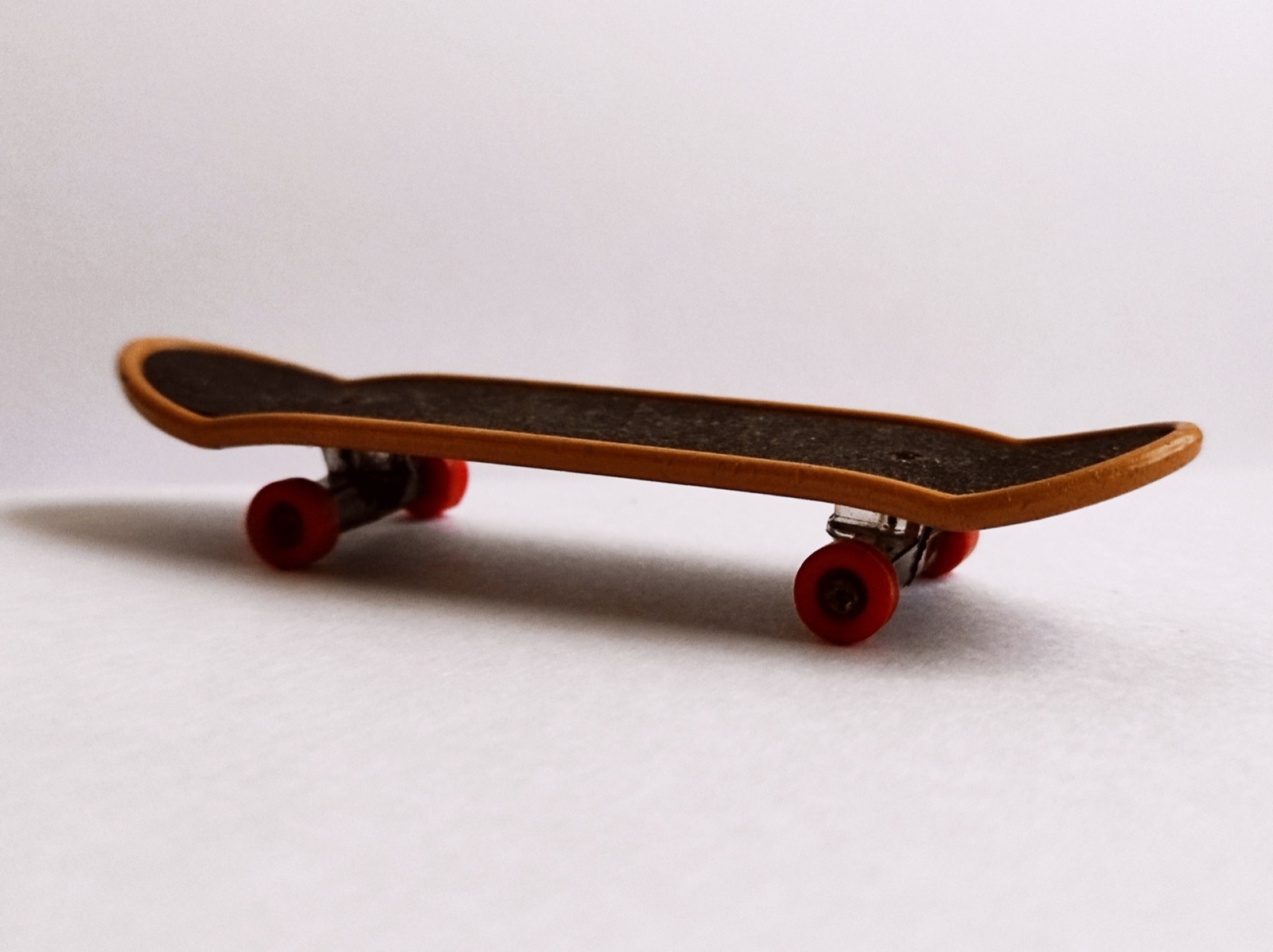
Drop culture & boutique craft
Release announcements, mail-day photos, colorway cards, and seller-to-buyer drops.
Photo: Chris · Pexels
Il fingerboarding è maturato in una cultura boutique premium trainata dai drop, con alcuni tratti simili allo streetwear — tirature limitate, drop online e una rivendita secondaria attiva.
Capitolo 01 · La scintilla
Perché ha preso piede
La scena del fingerboard di oggi somiglia meno a una categoria di giocattoli e più a un piccolo mercato dello streetwear. Legno premium, tirature limitate e drop su Instagram e sul web definiscono la fascia boutique, mentre gli scambi sul mercato secondario fanno passare l'attrezzatura tra rider e collezionisti. Lo spirito dell'epoca è artigianalità, scarsità delle piccole tirature e community.
La cultura dei drop ha incontrato un'artigianalità autentica. Le tirature ridotte hanno creato un ritmo di sold out rapidi, familiare dal mondo delle sneaker e dello streetwear, mentre miglioramenti reali — acero canadese a 5 strati, precisione CNC, uretano colato a mano — hanno reso i setup premium davvero diversi dall'attrezzatura entry-level. Confezioni e colorway sono diventate segnali per i collezionisti, ma quei segnali sono contesto di mercato, non prova di valore o di rarità.
Capitolo 02 · I creatori
Chi l'ha reso popolare
I marchi di lunga data hanno continuato a dettare il ritmo — Blackriver, Berlinwood, FlatFace e Oak — insieme a nomi più recenti dell'hardware come Maple Wheels (Québec, 2018), Blistered (Stati Uniti, negozio aperto nel 2022) e Caramel. Alcuni dettagli su fondazioni e partnership provengono da schede dei rivenditori anziché da fonti primarie e sono segnalati come da verificare.
Marchi e produttori dell'epoca
- Blackriver (fondato nel 1999 circa): Continua a produrre truck BRT, deck e rampe; resta alla guida della scena
- Berlinwood (fondato nel 2002 circa): Ancora in produzione; disponibile in larghezze tra cui 29 mm, 32 mm, 33,3 mm e 36 mm
- FlatFace Fingerboards (fondato nel 2003 circa): Marchio statunitense di lunga data, apprezzato per ruote, deck e collaborazioni; nel 2025 ha avviato una partnership con Blistered
- Oak Wheels (fondato nel 2007 circa): Marchio portoghese di ruote in uretano ancora attivo; sono uscite le ruote in collaborazione FlatFace x Oak
- Maple Wheels (fondato nel 2018 circa): Marchio di ruote in uretano prodotte in Québec; fondato nel 2018
- Blistered (fondato nel 2022 circa): Marchio statunitense di ruote in uretano; negozio aperto a giugno 2022; nel 2025 ha avviato la partnership con FlatFace
- Caramel Fingerboards (fondato nel 2020 circa): Marchio e rivenditore con sede in Spagna, gestito da William ed Estefania dal 2020
- Piro Wheels: Produttore di Toronto di ruote da fingerboard in uretano fatte a mano (65D, ABEC-9), oltre a pivot cup e bushing
- Dude Guy FB (fondato nel 2020 circa): Marchio boutique di ruote statunitense (Utah) (DGFB); ruote in uretano levigate a mano (F1/F3), noto per le collaborazioni con la community
- UAG F.B: Marchio giapponese (Nagoya) — Under Atsushi Ground; deck in acero a 5 strati fatti a mano, completi, truck, ruote e tape, espressione della scena giapponese all'insegna di «from Japan to the world»
Capitolo 03 · L'attrezzatura
L'attrezzatura che l'ha definito
L'acero canadese a 5 strati con precisione CNC è lo standard pro d'ingresso. I deck split-ply e quelli con grafiche real-wear sono molto diffusi nel segmento boutique. Gli shape più larghi (34 mm, 36 mm) riflettono la preferenza per proporzioni più vicine alla geometria degli skateboard moderni a grandezza naturale.
Misure dei deck: secondo diverse guide alle misure dei rivenditori, il 34 mm è diventato la larghezza più popolare per i setup pro. Il 32 mm resta molto usato. Opzioni da 36 mm e più larghe sono disponibili presso i marchi boutique, tra cui Berlinwood.
Truck e ruote: ruote in uretano di precisione (dual durometer, shape in collaborazione) e truck CNC di Blackriver, Dynamic e altri definiscono la fascia alta. All'estremo accessibile ci sono ruote in poliuretano 100D tornite a CNC (Teak Tuning), all'estremo dei collezionisti l'uretano boutique colato a mano (Oak, Blistered, Maple, Piro e Dude Guy FB).
Capitolo 04 · La scena
Momenti della community
I drop su Instagram, i negozi online dei marchi, i canali dei creator, i podcast, i contest su scala cittadina e i raduni dal vivo sono diventati infrastruttura della scena. FingerboardCon, The Bigspin, The Split Ply, il format King of Berlin di ASI Berlin, FlatFace Rendezvous e jam tedesche di lunga data come Sticky Fingaz e WeisswurstIssJam mostrano come quest'epoca sia allo stesso tempo online e fisica. Contano anche gli esempi regionali, dal Nord America e dalla Germania alla Corea e alla Nuova Zelanda, ma ogni affermazione su negozi, eventi e creator va tenuta legata alla sua fonte specifica, anziché essere trattata come la storia completa.
I drop su Instagram, i marketplace dedicati al fingerboard e i negozi online dei marchi sono i principali canali d'acquisto. La rivendita sul mercato secondario — anche su piattaforme come Kingpin — è cresciuta man mano che i marchi limitano le tirature. Colorway limitate, shape in collaborazione e set confezionati spuntano prezzi da collezione. Il comportamento degli acquirenti ricalca sempre più la cultura dei drop dello streetwear: sold out rapidi, rivendita con ricarico e la confezione come segnale.
Nota sul mercato
In quest'epoca Instagram è diventato un canale chiave per i drop e le clip dei rider, mentre gli scambi dell'usato sui forum sono continuati in parallelo. I marketplace dedicati al fingerboard stavano ancora emergendo, quindi compratori e venditori si affidavano spesso ai DM di Instagram, ai gruppi Facebook, ai thread sui forum e ai negozi online dei marchi.
Alcuni dettagli su fondazioni, partnership e negozi regionali di questo periodo provengono da schede dei rivenditori o da fonti della community anziché da documenti primari, quindi vanno trattati come piste utili e segnalati per la verifica prima di essere presentati come storia definitiva.
Spazi di vendita e della community
L'era boutique non è stata solo online. Accanto ai drop su Instagram e agli scambi sui forum, gli spazi fisici hanno continuato a contare: la presenza commerciale di Blackriver in Germania, il ruolo di negozio/community di Slushcult in California, la presenza di ASI Berlin nella scena, gli eventi e le session in negozio di FlatFace negli Stati Uniti e nuovi esempi regionali come Shmaplex / Down South a Jeonju, in Corea del Sud.
Down South ha aperto nel 2025 come piccola estensione fisica del più ampio lavoro di Shmaplex e Kingpin nel fingerboard, abbinando caffè, rampe Blackriver e una selezione di marchi boutique. Rientra qui come esempio regionale di rinnovati spazi di fingerboard dal vivo, non come affermazione storica centrale.
Capitolo 05 · Oggi
Leggere oggi i setup di quest'epoca
È l'epoca da cui proviene la maggior parte degli annunci attuali, quindi è qui che leggere bene le specifiche conta di più. Il 34 mm è diventato una larghezza pro popolare, citata da molti, con il 32 mm ancora comune e opzioni da 36 mm e oltre disponibili presso i marchi boutique; le ruote vanno dall'uretano 100D CNC accessibile alle colate boutique fatte a mano. Indica larghezza, numero di strati, concave, materiale delle ruote e se un set è sigillato o già usato — e tratta i ricarichi di rivendita, i dati sulla domanda e le affermazioni sul «più popolare» come commenti di mercato, non come valore verificato o garanzie di rarità.
Nota sul contesto di mercato
I dati pubblici affidabili sulle dimensioni del mercato del fingerboarding boutique sono limitati. Invece di trattare i numeri sulla crescita della domanda forniti dagli aggregatori come statistiche verificate, quest'epoca si legge meglio attraverso segnali che si sovrappongono: l'attività sulle piattaforme social, gli scambi pubblici su Reddit e sui forum, i drop in piccole tirature e i riferimenti di rivendita osservati.
Quando si parla di attrezzatura boutique moderna, i dettagli utili in un annuncio sono larghezza, numero di strati, concave o mold, materiale delle ruote, stato e se un set è sigillato, poco usato o usato a fondo. I ricarichi di rivendita, i segnali di domanda e le affermazioni sulla popolarità vanno presentati come commenti di mercato, non come valore, rarità o garanzie d'investimento verificati.
Ancora in fase di verifica:
- Il dato del 38% di crescita della domanda anno su anno proviene da un aggregatore di panoramiche di mercato (Accio) senza un report di settore primario alla base, quindi non è una statistica verificata.
- Che il 34 mm sia «la più popolare» larghezza pro lo descrivono diversi rivenditori (Teak Tuning, Caramel), non lo misurano dati di vendita.
- I numeri di follower dei creator e alcune edizioni/date degli eventi della community variano a seconda della fonte, quindi qui restano generici; alcune affermazioni molto ripetute sugli eventi (per esempio un'origine nel 2009 di «King of the Road») non è stato possibile verificarle in modo indipendente e sono omesse.
Ultimo aggiornamento: 9 ottobre 2026
Newsletter
Altro da Kingpin

Storie di brand
Extra-wide fingerboarding has entered its hardware phase — and trucks are the tell
A 48 mm deck is a graphic. A 40 mm truck is a tooling decision. My bet: a second source for 40 mm-plus trucks appears within a year, or extra-wide stays a stunt.
,

Storie di brand
Berlinwood puts its 2002 logo back on the bottom ply
A reissue of the brand's first mark, printed transparent so a randomly chosen colored bottom ply shows through. It is a small deck carrying a large part of the scene's origin story.
,

Storie di brand
ASI Berlin: a team that turned into a shop, and stayed one
Founded in Berlin in 2003 as one of the first fingerboard teams, ASI Berlin opened a concept store with Blackriver-Ramps in 2010 and has run independently since 2017. A history from the brand's own pages, with the gaps named.
,